Book Review: I Blame Morrissey by Jamie Jones

Music and sport can do funny things to a person. Those of us who take an interest in either or both can become unhinged, erratic, obsessive and just plain odd because of how they make us feel. In fact, if you’re a fan of both, you may well get to a certain age and look back in wonder, unable to fathom out some of your decisions, while simultaneously still believing that they were right all along. People won’t understand you and you won’t understand what there is to understand, but quietly you’ll be fully aware of just what a weirdo you probably are.

Jamie Jones is one such weirdo and ‘I Blame Morrissey’ is his attempt to explain his obsessions with music and to a lesser extent, football.

Jones grew up in the 90s – like me – and was obsessed by music and football – like me. However, while I made some ridiculous decisions while following bands and Newcastle United, I managed to allow life to get in the way and eventually grew into a reasonably well adjusted adult. Sort of. Jamie Jones – and I can’t disguise some kind of jealousy – got more and more obsessive until he was allowing his life to be dictated by song lyrics. And as crazy as that might sound to some of you, it all makes for some incredible stories.

‘I Blame Morrissey’ tells the tale of a young man growing up and trying to navigate the world around him while also dedicating himself to following music and Peterborough United. And for most of the time, music and Peterborough win out, meaning that relationships are doomed because of perceived messages in songs and important dates and occasions missed because Peterborough have a game in some meaningless competition. I mean, we’ve all been there, right? Right?

Jones’s teenage years were dominated by girls, Peterborough United and musicians like Billy Bragg. But like any good music fan his journey takes on various twists and turns, many of them familiar to me and most likely to some of you too. Thus, if you are of a certain age there will be something here for you; a memory to empathise with or the reminder of a song that brings it all flooding back. There are festivals from a time when it was the music that was the most important thing. There are tales of The Charlatans, Morrissey, Ride, the Britpop years, of loves lost and found and of any number of decisions made in the name of whatever the latest obsession happens to be. There’s even some Teenage Fanclub, which obviously resonated with the bloke who writes this blog.

There’s a lot of this book that I feel like I lived myself. A great deal of the rest of it buzzes with a familiarity and a nostalgia that I simply couldn’t get enough of. And for that reason, everything about the book was a joy for me; like stepping back in time.

If you grew up with posters on your bedroom walls that you sometimes talked to, if you ever bought items of clothing because your idols did, if you ever changed your walk or your body language just to be more like your heroes or if you ever endangered a friendship, relationship or even your own life just to go and see a band, then ‘I Blame Morrissey’ will be right up your street!

I give ‘I Blame Morrissey’…

Rating: 5 out of 5.

Poetry Blog: Pier

This is a poem that, as we near the end of another British summer, just seems appropriate. It’s hopefully one that lots of people can relate to, especially us Brits.

I wrote this after we had headed to Llandudno for a short break in summer last year. We spent time walking along the promenade as well as up into the hills that can be found just a short distance from the sea. We’d spent time relaxing, eating cake and drinking coffee in lovely cafes and of course, we’d spent time in the amusements! This is where the poem came from because the amusements in Llandudno can be found on the pier.

Pier

Your eyes dart everywhere,
as you walk, you're bombarded from above
by a terror that could leave a lasting scar
or worse still, a stain, a smell,
a memory that could ruin coastal towns forevermore
and yet still, you can't quite concentrate on the airborne menace.

Rough boards trodden on for hundreds of years
promise pleasure while hinting at danger
with every glimpse of the waves far beneath.
Children wander aimlessly,
all grabbing hands and voices that match the decibels of those gulls.

Groups of adults attempt to keep them in check,
while flocks of teens loiter with barely disguised intent.
Ice creams and candy floss are wolfed down
for fear of attack from above and the hordes
of ever more bold screeching thieves.

Duck inside an arcade and the senses
are overwhelmed by the kaleidoscope colour
of copycat prizes combined with the sounds of machines
competing busily for attention,
while people push past, eager for a moment of mindless fun.

Copper coins, salvaged from a long cherished jar,
are thrust with military precision into a slot
in the hope of the displacement
that will win tokens to be exchanged for tat,
yet still, it is an Olympic podium style thrill
that's felt as those coins finally crash.

Hours later, as you blink again into the sun
and set foot on more solid ground,
pockets are lighter, nerves shredded,
arms ache and knees creak as you trudge,
wearily away, excitement over, another seaside day almost at an end.

On a previous trip to the one described above I’d actually been divebombed and flown into by a seagull. It sort of clonked me on the head! They’re a menace at most seaside towns these days. However, I’ve never had my food stolen by one or indeed suffered the indignity of being hit by their flying poo!

I’m not really a fan of the amusement arcades, despite being so when I was younger. However, my family love them and so every trip to a coastal town means spending hours in multiple arcades, never really feeling the tension and excitement that they do at the jeopardy of the machines.

Regardless, I was struck by just how much was actually going on when we made this trip and found myself making notes in some downtime, which later would become this poem. I hope you enjoyed it!

Poetry Blog: ‘A Day at the Lake’

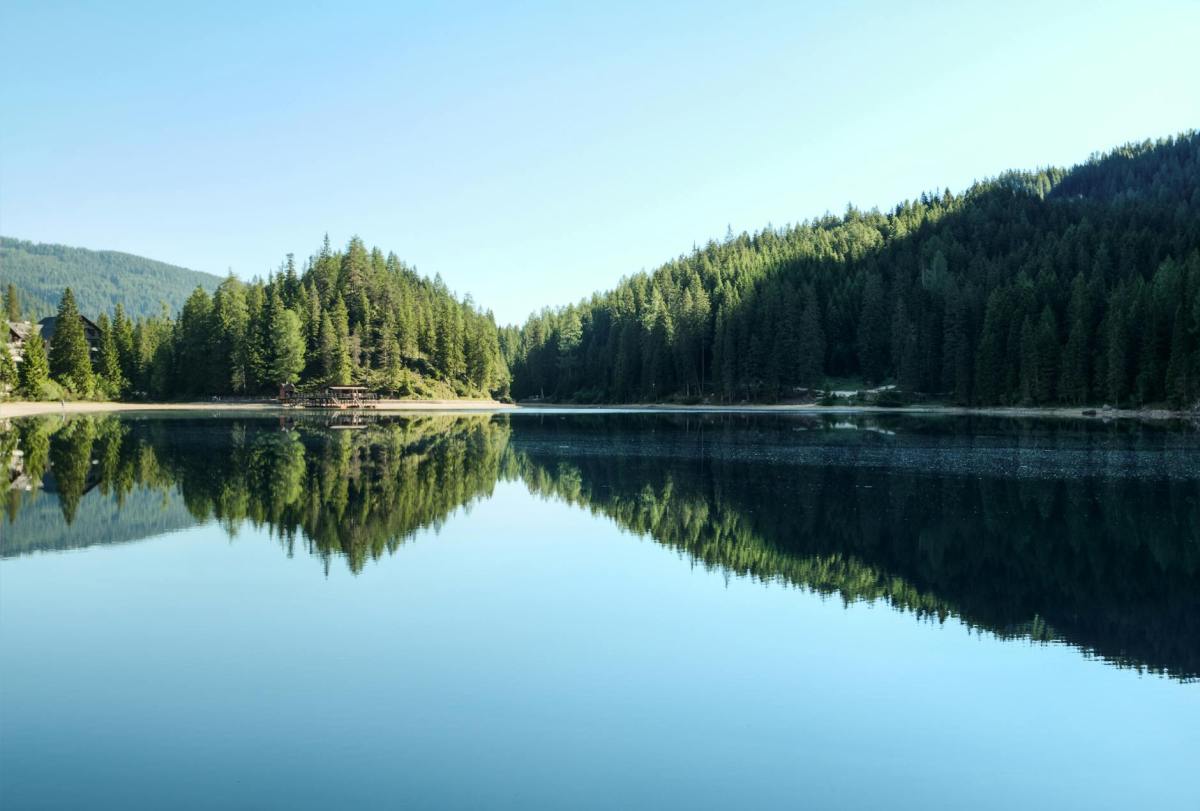
This is a poem about one of our first family holidays, when there was just the three of us. It’s one of those memories that I think will always stick with me and one that I can summon really easily.

The poem is about a tiny bit of a break we had in the Lake District when my daughter was just a toddler. It covers those protective feelings that you have as a parent. A swan nipped my daughter’s finger when she was giving bread to the ducks and it threatened to spoil the day. Later, when she’d calmed down, we moved round the lake a bit, took our shoes and socks off and had a bit of a paddle, or a plodge as we call it where I’m from.

Anyway, have a read.

A Day at the Lake

Earlier that day a rogue swan had nipped at your finger
after you'd steeled yourself and trusted mum enough
to offer it some bread.
You sobbed into her warm, protective arms,
soothed just a little by her calming words,
while nearby I seethed with rage,
fists clenched, tensed,
until common sense reminded me that
you can't punch swans.
They belong to the queen, you know.

Later, plodging in the lake on a different shore
and at a suitable distance from your attacker and his cronies,
your little hands gripped mine and told me
that you didn't much like the numbing cold of the water
on your legs and didn't want to feel the spite of pebbles
digging into your bare feet.
But you clung on, held your own, as you always would.

Later still, as we made our way back,
you ran off across a thigh high meadow
that laughed along with you,
your awkward limbs flailing for speed and distance,
enjoying this rare but heady mix of freedom and terror
and a loosening of the reigns for once,
because, swan now a distant memory, surely lightning could not strike twice
in such a beautiful spot as this.

With the determination that you've clung to for life,
you ran and ran, giggling loudly at your sudden independence,
ignoring the cries of 'not too far'
until it was decided that there was too much rope
and I caught you, scooped you up,
pretending to drop you for another thrill,
then hauled you up, onto my shoulders
as some kind of halfway house between wrapping you in cotton wool
and letting you know that sometimes, it's good to test the limits.

I joke about it in the poem, but I was beyond angry at that swan! And I really had to stop myself from behaving terribly. I guess it was another one of those days when you discover the lengths that you’re prepared to go to as a protective father!

Whenever I think about that day, I can clearly picture my daughter running away from us across the meadow as we headed back to the car. White shorts dungarees, a pink t-shirt and a rainbow belt around her dungarees with her hair in pigtails. She’s always been a little headstrong and I think we saw early signs of it that day, although it remains a really happy memory and it was particularly funny at the time. Like any newish parents though, we were over-protective and so, while we laughed we probably both wanted to just take off across the field and catch her, just to make sure that no more harm came to her! And eventually, we did!

I hope you enjoyed the poem.

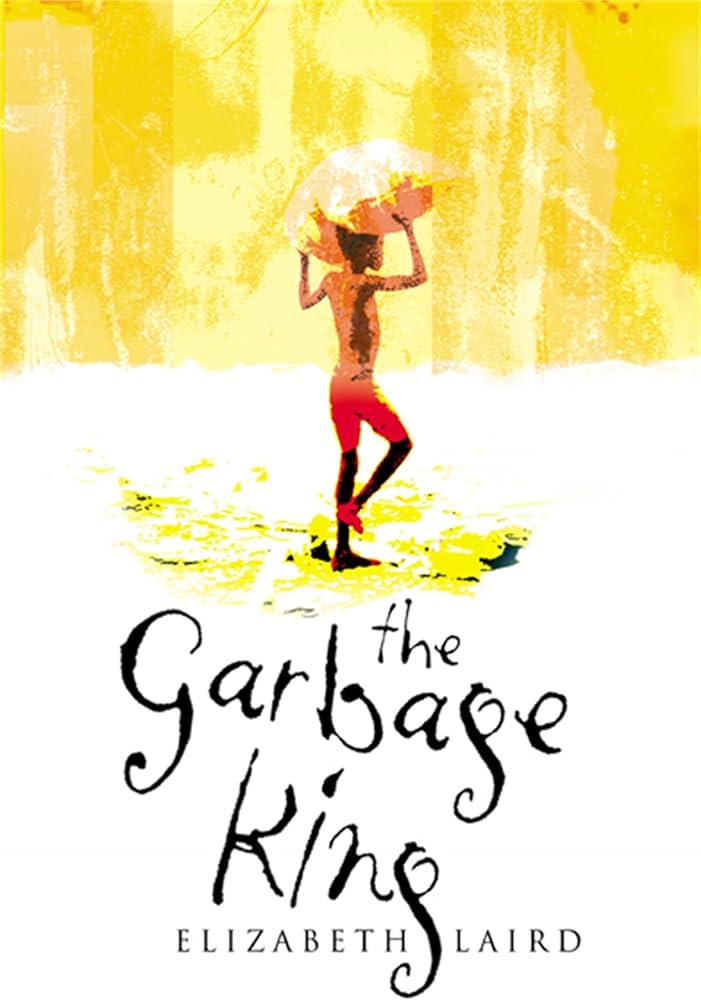
Book Review: The Garbage King by Elizabeth Laird

The Garbage King is a story that’s largely aimed at kids, probably from Year 6 upwards. However, a good story is a good story, no matter who it’s aimed at. I stumbled upon it when I was looking for ideas for my reluctant reader son to try and thus, having read only good things about the book, I decided to give it a go myself!

The Garbage King tells the story of street children in Ethiopia and helps us to understand that regardless of their background, children are essentially very vulnerable and that anything can happen to any of them. Such is the case with Dani and Mamo, two kids from opposite ends of the social scale who end up on the street together.

After a harrowing episode in his early life where he’s sold to a rural family as a slave, Dani escapes back to Addis Ababa and begins his life on the streets. So far, life has been brutal and painful for Dani and the streets of Ethiopia’s capital don’t make things any better.

Meanwhile, across town Mamo lives in a lovely house in a quiet, exclusive area. He has the trappings of a wealthy family, but is failing in school and his strict father is not impressed. Fearing his fate when his lack of academic progress is revealed, he decides that there’s only one thing for it; to run away. Before he knows it he too is living on the streets. But while one boy relies on his wits and guile to stay alive, the other is a sitting duck. And then a chance encounter between the two boys changes both of their lives.

The Garbage King is an excellent read. Elizabeth Laird gives the reader a brilliant, and I have to assume authentic view, of life on the streets of Addis Ababa. Certainly, as I was reading I felt like I could easily imagine what it looked like as well as hearing the sounds of the city and even being able to imagine the smell of some of the food being described. It was clearly not the kind of hustle and bustle that would be safe for a child though.

Danger seems to lie at every corner of Laird’s Addis Ababa, making The Garbage King a tense read at times. As a reader, there’s a genuine sense of fear for both of the boys, but especially the naïve Mamo. Luckily though, he has Dani to look out for him, so although life is now distinctly uncomfortable, there’s slightly less immediate danger.

There are twists and turns to The Garbage King, making it a real page turner at times. As poor Mamo lies freezing at night, too terrified to sleep, it made me think of my own son and how frightened I’d be if he happened to find himself in a similar situation. It’s bad enough when he’s out camping!

Laird’s characters are fantastically written. We’re onside with Dani from the very start of the novel. Life is tough for him, but he doesn’t complain. In fact, he shows guts and determination in order to get out of the initial situation that he finds himself in and when he’s finally made safe by the kindness of a stranger, we feel happy for him. He’s bright and likeable and so when fate deals him a losing hand, we’re willing things to get better. And when the various dangers of life on the busy city streets catch up with him, we’re desperate for him to stay safe.

As the novel rolls on the boys find their feet on the streets. As there’s safety in numbers, they fall in with a small gang, but danger and misfortune is still never far away. For now though, life is a lot better than it could have been had they not seen off a few of the predators that lurk in the shadows. Ultimately though, both boys just want life to return to some sort of normality

Will Dani ever see his sister again? Will Mamo be able to return home to his strict father? Well, you’ll have to read and find out!

I give ‘The Garbage King’…

Rating: 4 out of 5.

Poetry Blog: Blackbirds

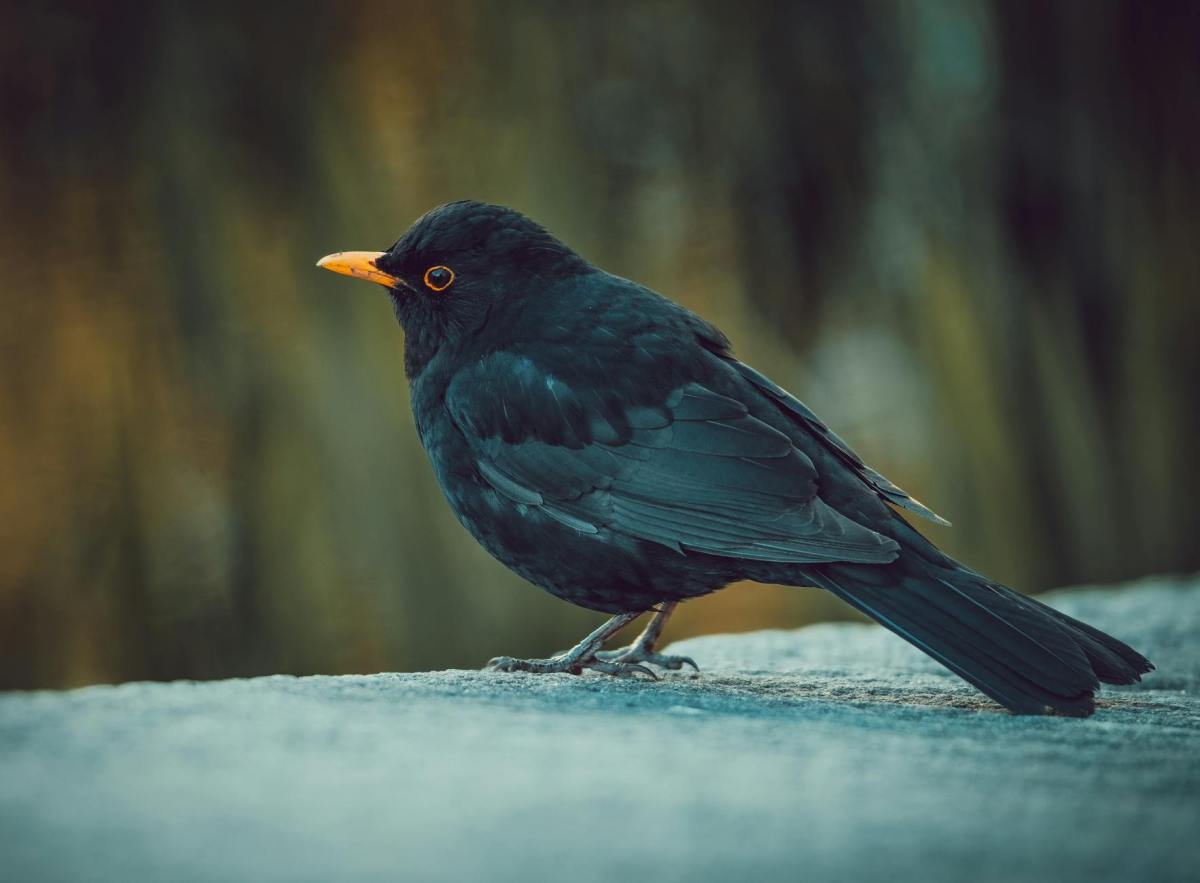
This is a poem I wrote about a scene I watched from my kitchen window while doing the dishes. It was on a recent Spring evening, just as the sun was beginning to dip behind the trees. It had been a sunny day and crucially, I’d just cut the grass earlier that day.

I looked up to see a couple of blackbirds, which on closer inspection I could see were a male and a female. So, channeling my inner Cilla Black (one for older readers there and an old TV matchmaker if you don’t know) I immediately placed them together. Man and wife, if you like. A mam and dad, probably, foraging for food for their newborn Spring chicks. The birds love it when the grass has been cut; I’m not entirely sure why.

The fact that they were at opposite ends of the garden and that their movements were both graceful and jerky, yet obviously on the same wavelength reminded me of dancers in a ballroom. It was something I remembered days later when I had the time to start drafting the poem. Here it is.

Blackbirds

The lights dim and a sultry dance begins
in the garden ballroom,
tentative at first, but gaining pace and rhythm as the minutes pass.
Trees sway and rustle in the evening breeze,
an audience inspired to move,
adding occasional ripples of polite applause
as our pairing settle to a tantalising flirtation,
at first far apart, yet soon together tripping the light fantastic,
their dark figures striking a pose,
drawing ever closer with each beat of the dying sun
and as the light sighs its last
this dance will reach collapse
and these two distant partners,
now nestled close, will return to the humdrum beat
of their something else, their everyday
a life away from this brief, glamorous scene
until time and hunger dictates they should do it all again.

The idea with the poem was to use an extended metaphor of a ballroom and a pair of dancers to describe what was essentially two blackbirds out getting food. It was the way they moved, almost in tandem, that inspired the idea of the ‘sultry dance’ in the ‘garden ballroom’ and then it became a challenge to add as many dance references as I could so that a poem was formed.

It’s the second time I’ve written about blackbirds as I like to watch them in the garden. They can be quite territorial and there have been several occasions when one has flown way too close, squawking at me as if to warn me off. I don’t think they understand the idea of home ownership! Anyway, maybe somehow they’ll sense that I’m writing about them and make me the honorary president of their fanclub!

I quite like this poem. I’d have liked to spend more time drafting, but given time constraints – I’m a busy boy at the minute – I’m quite pleased with how it turned out. Maybe it’s one I’ll return to in time. I hope you like it too though!

Book Review: The Runner by Markus Torgeby.

As a young man, Markus Torgeby quickly grew disaffected by a lot of what the world around him had to offer. He knew that society’s expectations were not for him. Despite being a talented runner though, he sensed that pursuing this as any kind of career was not going to work. Too often, injury or just not being in the right mindset got in the way of any kind of competitive edge. As he says himself at the start of the book, “My head was full of dark thoughts. I didn’t know what to do. I had to rethink what it was I really wanted, I had to find a way out of that well.”

What Markus did next – which is documented in the book – seems both astonishing and really quite wonderful.

‘The Runner’ is an international best seller and tells the tale of one man and his quest to find contentment. In short, Torgeby headed up into the Swedish wilderness to live in a tent and dedicate himself to a more simple life, where money didn’t matter, but running most certainly did.

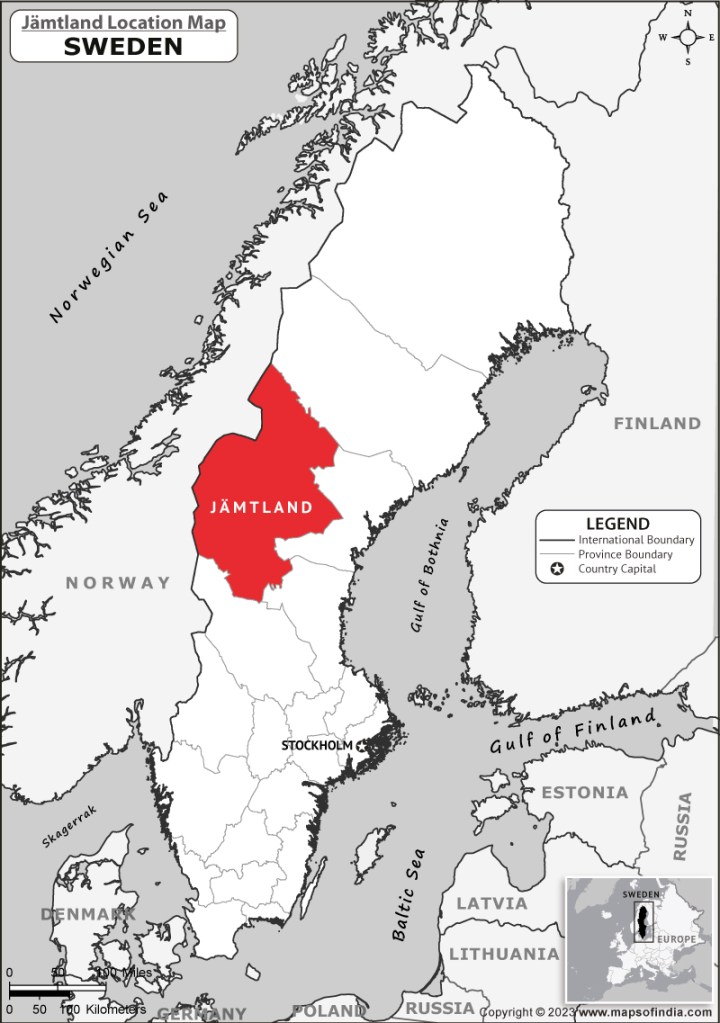
It’s an amazing true life tale, beginning in Jamtland, northern Sweden where the temperature is -22 and Markus is the only person for miles around. This is where he escapes the norms of society, pitching his tent and living among nature complete with enormous amounts of snow, elk and even the threat of bears.

As you’d imagine from the title, running is very much central to Torgeby’s existence. When he vows to run every day, he means it and nothing will stop him, be that extreme weather conditions, injury or mental health issues. Torgeby isn’t just testing his fitness – he’s pitting himself against both the most extreme elements and also just the odds.

Running is where Markus is at peace and I have to say that resonated with me, as I’m sure it would with many runners. The only difference would be – and it’s a seismic difference – that while the majority of us are running around the civilised, normal streets or trails near where we live, Markus Torgeby is running around in one of the most isolated, northernmost territories on the planet! There are threats to life almost with every step he takes. This is not the tale of an everyday runner, despite the fact that he runs every day!

‘The Runner’ is actually really well written and Torgeby rarely shies away from telling us exactly how he’s feeling or what he thinks of the world, even if it can be uncomfortable to read at times. His blunt honesty is one of the most positive features of the book and it’s hard not to be impressed by Torgeby’s principles and way of life.

And then there’s the sheer courage of it all. As someone who rarely takes much in the way of risks, ‘The Runner’ makes for an absolutely fascinating read. Torgeby leaves home to live his life his way when he’s barely much more than a child. And yet, his lifestyle choice is utterly remarkable, especially when you know that he is burdened by the thought of his mother’s suffering, back at home. She suffers with MS and some of the most beautiful passages in the book revolve around her relationship with her son, as he cares for her and helps to make sure that she is still able to experience the wonder of the world around her.

After four years of living in his tent in the wilderness, Markus begins to come to terms with the world around him and the contentment that follows – I won’t spoil what that consists of – gives us a bit of a happy ending.

Part of me felt jealous of Torgeby while reading the book and I questioned some of my early adult decisions in life. It’s funny how something like this can take us back and make us more self critical. Ultimately though, at the age when Markus left home for the wilderness I was probably barely able to cook for myself, let alone live in a tent in some of the most unforgiving territory on the planet, so I was able to give myself a break after all!

Whether you’re a runner, health freak, someone with an adventurous spirit or none of those things, this book is a great read. For me personally, it was interesting to see that I had things in common with the writer and that we shared such a love of running. Ultimately though, if you like an interesting take on life or just enjoy learning about some of the bolder ways to live, then you’ll enjoy this book.

I give ‘The Runner’ by Markus Torgeby

Rating: 5 out of 5.

Poetry Blog: ‘Willow’

It’s the Easter holidays and as I’ve got some time on my hands I decided to sit down and try and write something for the blog. Other commitments have been getting in the way of late and so my blog has been very much neglected.

So, with not a lot in mind to write about, I thought I’d trawl through some notebooks and accompanying scraps of paper in order to see what poetry I have knocking about. It turns out that there are quite a few that have either been started or simply finished and then just left and so, after quite a bit of reading I decided to add this one to the blog. It brings back a lot of memories and I really like it.

Willow

As the spots of rain get heavier
and begin to change the colour of the roads
and pavements around,
you scramble for the familiar shelter
of the giant old weeping willow.

Everyone is out, the house locked up,
but you chose friends, football and
the top of the hill Wembley of a pub car park
over the visit to family,
and now that team mates have chosen bricks and mortar for cover,
solitude in nature is forced upon you.

A mass of leaves and sagging branches provide ample sanctuary,
so you position yourself so not to be seen
from either road or the neighbour's house,
shift your knees up to your chest and enjoy this place
where there is no shouting, no conflict and
no storm of any kind.

The willow tree in question here is the one that we had in the garden of my childhood home. Everyone else regarded it as a nuisance because of its sheer size and mass of leaves that would be shed in autumn and litter the surrounding area, but I loved it.

I’d play in it as a small child, inventing games and characters and swinging on those branches. As I got older it became somewhere to hide and just be on my own, away from what I remember now, rightly or wrongly, as a lot of shouting and anger in our house. Sometimes, as in the poem, it was just a convenient shelter of a different kind as the rain just didn’t seem to get through it. As I got older, I’d often stay at home when my parents went across to see family, but would rarely remember to take a key. These things got forgotten when there was a game of football about to start! And so, I’d end up just sitting under the tree to escape the elements.

In later years, after we had moved out, the tree was cut down. I still kind of miss it to this day.

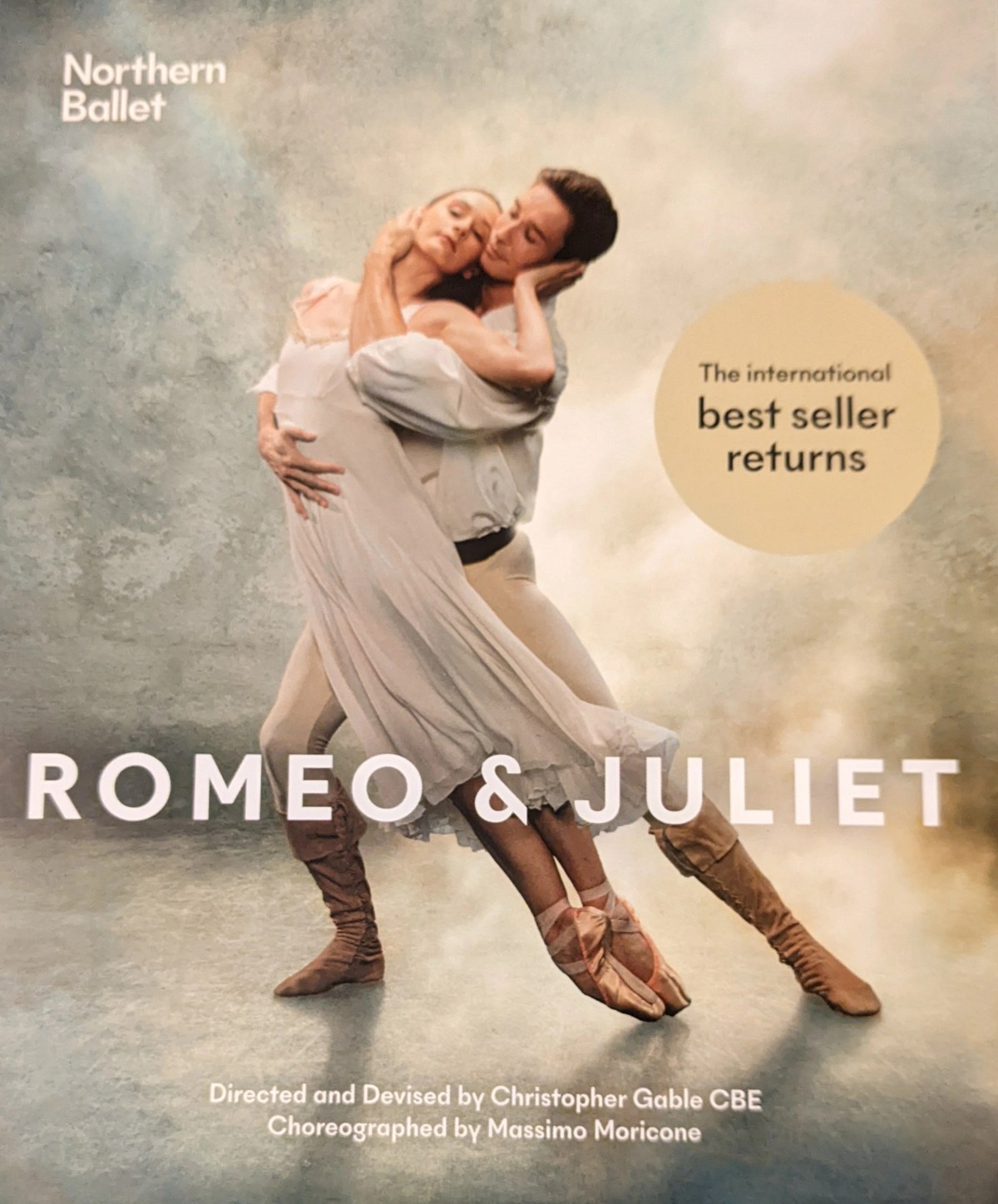
Northern Ballet – Romeo and Juliet at The Grand Theatre, Leeds.

I’ve been slightly fascinated by ballet for most of my adult life. There’s something amazing about a story told solely by dance and something incredible to me about those who can do so. Never in my wildest dreams would I have imagined I’d ever go to watch one though! As a working class lad from the north-east, I didn’t think I’d quite fit the profile for the kind of person who’d go out to watch the ballet and I didn’t think I’d ever get the opportunity.

However, things began to change in the early stages of last year while I was at home recovering from my heart surgery. While mornings were usually spent getting some kind of exercise, afternoons were for recovering from the mornings and by the time the evenings came round I was often fit only for sitting in front of the telly and that was about it! On one such evening, with the living room to myself, I was flicking through the channels looking for a change from the norm and there it was – Matthew Bourne’s Romeo and Juliet. I watched it, captivated.

Fast forward to February of this year and upon opening the final birthday present from my wife, there was a ticket shaped piece of carboard in a huge box. Expecting tickets to a gig or a comedy tour I flipped it over to reveal…tickets to Northern Ballet’s ‘Romeo and Juliet’. While I was surprised and a little bit puzzled, I was also really pleased.

And so, last Saturday, with mere minutes to spare – we were cutting things fine, as ever – we took our seats at the Grand, not really knowing what to expect. So, let me tell you a bit about the ballet.

The first thing that struck the both of us was a little detail about the audience; it seemed like about three quarters of them were drinking white wine in the theatre. Not in the bar, but in the theatre. In fact, while squeezing past a group to get to our seats one woman smiled and told me, ‘Just watch the wine’! Now, I’ve been to lots of theatre shows over the years and never have I witnessed such civilised debauchery! But almost everywhere we looked there was wine flowing.

Whenever I’ve thought about ballet in the past, I’ve heard an orchestra warming up beforehand. That kind of discordant mix of various instruments that I assume is musicians tuning up. I thought this was just a daft stereotype that I was relying on, but sure enough with seconds to go until curtain up, there it was! Even that was a bit of a thrill!

As the ballet started though, the orchestra playing Prokofiev’s soundtrack were wonderful. The set and lighting had a hazy, almost other-wordly feel to it and the sight of Romeo and Juliet on opposing balconies stretching to attempt to touch felt somehow profound. And then the balconies were pulled apart and the two star crossed lovers simply got further and further away from each other.

Another thing to point out here; for a very short while I was waiting for someone to speak. It is after all a Shakespeare play and so, as someone who has seen a fair amount of those in my time, I struggled a little to adjust. However, within what could only have been a few minutes I had relaxed into it and was simply carried away by the story and the beautiful way in which it was being told. I mean, who doesn’t know the story of Romeo and Juliet?

I don’t feel qualified to review the ballet from any kind of knowledgeable standpoint. Those on stage looked magnificent, at the very top of their profession, but unless anyone literally fell over, I couldn’t really judge.

What I do know is just how impressive and emotional the whole thing was. I knew that watching ballet in a theatre would fascinate me and I was in no way disappointed. For the majority of the time there was just so much going on on stage that I’d be trying to watch everything with a keen eye, fully aware of just how much I’d be missing elsewhere on stage. This wasn’t simply about the two main players. Every dancer excelled in their ability to convey emotion and the events of the story and the whole thing was just a feast for the senses (well, eyes and ears anyway!).

I sat watching for over 2 hours, admiring not only the fact that Northern Ballet’s troupe were just so graceful and powerful, but also marvelling at their stamina. As a middle aged runner, I’m thrilled with myself for going for a run for around an hour. I regularly speak to friends about how fit footballers are with the sheer amount of distance that they travel in a game, but the realisation of what these dancers were putting themselves through for such an amount of time couldn’t be ignored. I’m sure it’s something that seasoned ballet fans take for granted, but it was just another thing that absolutely fascinated me about the whole thing.

At this point, I wish that I had more knowledge to impart, but about as far as I go in this particular area is knowing the names of some of the moves. I’ve little or no idea what they look like though. What I can comment – again – on is just the level of skill involved. The choreography must have to be so incredibly detailed that for a mere plodder like me, it doesn’t bear thinking about. I watched in awe as dancers spun and soared in perfect time together and dovetailed across the stage with great agility and power in order to tell the story. Beforehand, I’d wondered if I might drift off given that the whole show was well over 2 hours long, but it really wasn’t an issue and I was invested in the tale from minute one.

I can’t finish writing without singling out Kevin Poeung, who played Mercutio and gave an incredible performance. He was just impossible to ignore and brought real personality to the role, adding just a dash of comedy and mischief where it was needed in order to accurately give us the unpredictable Mercutio that we would have expected. In short, Kevin’s was a brilliant and thoroughly entertaining performance among a cast that really were fantastic.

Watching Northern Ballet’s Romeo and Juliet was a genuine thrill for me and I’d really recommend going to see anything that they put on. And this wasn’t just something I think I can tick off some kind of bucket list, either. I’ll definitely go back to the ballet sometime in the future. So, if like me, you’re wondering what a ballet might be like, I could only recommend that you too take the plunge.

Poetry Blog: World Sleep Day

It was World Sleep Day last week and when I realised this I had a couple of thoughts. Firstly, I wondered how I’d never heard of this before. I mean, I’m a big fan of sleep and so having missed out on a formal day dedicated to it, I was kind of surprised.

My second thought was that I could write about it. Maybe an article about tips for getting to sleep – something that I’ve suffered with in the past – or even something scientific, like maybe 10 fascinating facts about sleep.

However, I ran out of time – too busy sleeping…just kidding – and therefore decided that I’d try and write a poem about sleep instead. There wouldn’t be much time to work on it or draft and re-draft, but I’d give it a go. As it turns out, this was a tricky one to write from the moment I introduced some rhyme and thus, I missed my deadline. Regardless, here you are; my poem about sleep and it just so happens that it’s a few days after World Sleep Day!

Sleep

Some nights like the proverbial baby,
I close my eyes & slip away into that friendly coma
to help me have a better tomorrow, maybe,
but other times, sleep is broken, cruelly unstable
and I'm isolated and counting lonely hours
at the kitchen table
reading while willing submission to come to the fore,
but feeling just like the tyrant
that I'll surely sleep no more.
The nights where sleep is deep and fuller
exhaustion carries me into a world of dreams,
set sail on an ocean of movement and colour,
making life seem different from the moment I wake
while on other nights I drift off as I plot my route
on an imagined or remembered walk or run,
knowing this distraction will soon bear fruit
as I drift away, out for the count, to sample life's chief nourisher once more.

As I mentioned previously, getting rhyme involved slowed the whole writing process down here. That said, without it I think I’d have had a poem that was plodding, at best. As it is, I think the rhyme helps. I usually see it as a hindrance as it narrows down the words that I could include and often spoils lines and although there are a couple of rhymes that might be just a tiny bit forced, I think in all, it works.

When I was thinking about sleep one of the first ideas that came to me was the theme of sleep being so prevalent in Macbeth. Books and plays are often my first port of call as an English teacher. So I made sure that there were a couple of Shakespearean references in there and combined them with my own experiences of sleep, which is something that I’ve struggled with a lot in the past. Hopefully, it works and you enjoy the poem.

Book Review: The Ritual by Adam Nevill

If, like me, you’re about to meet up with a mate or two for a bit of a reunion maybe you shouldn’t read The Ritual just yet. Especially so, if you’re off on some kind of outdoor pursuit. You might get a little bit put off! Once you’re done though, I’d definitely recommend it.

The Ritual follows four university friends who, since graduation, have vowed to keep in touch by meeting up at least once a year to have some kind of break. This year, Luke, Phil, Dom and Hutch have decided to head into the Arctic Circle for a bit of an adventure. Because, when you’re approaching middle age and fancy a bit of a change, the unforgiving conditions of northern most Sweden are the first things to spring to mind! Like the tagline says, they should have gone to Vegas!

While the premise of the novel – which was also made into a 2017 film starring Rafe Spall – might suggest some kind of farcical comedy, it’s not long at all before nobody’s laughing. The weather is far worse than the friends had prepared for and within 24 hours everyone is soaked to the skin and it doesn’t feel like they’ll ever dry out. And this being the Arctic Circle, it’s beyond cold too. Throw in the fact that two of the group are what we might politely call ‘past their best’ fitness wise and this is really not the fun reunion that they’d planned. But then, deciding that a short cut is the best option, they get lost.

In theory, I’m a big fan of exploring the wilderness. I dream of trekking through isolated far off places and striding into the unknown, exploring landscapes that I’ve only ever seen on the television before. In reality though, I’d be pretty rubbish at it. We once encountered a rattlesnake in the Grand Canyon and I was beyond terrified! So, I can fully sympathise with the friends in the book and the injuries & lack of preparation that hinder their progress. I can’t begin to imagine the horrors that they’re about to face though.

Once they get lost they take more wrong turns and encounter a couple of eerie places that suggest that the forest not only has a dark history, but also that it may well be harbouring the kind of predator that no one wants to encounter. Have they been being watched all this time?

The Ritual sets out to scare us. And in parts, it succeeds brilliantly. As the predator hunts them down I could almost feel its presence. What it actually is remains a mystery as Nevill restricts his characters and us, the reader to glimpses in the dark and the frightened, snatched reports of those that have had some kind of mysterious encounter. And what’s more scary than the thing that you can’t even see, but just know is there?

When the friends are at their weakest, it strikes, deepening the fear for everyone concerned and as a reader you’re left trying to work out exactly what’s happening, but also if anyone will actually manage to survive. Gaining only glimpses and hints of the predator’s presence leaves us as confused as this gang of friends, but undoubtedly adds to the tension and horror that Nevill is trying to create.

Throughout their journey through this dense forest we learn snippets about pagan sacrifice and old Scandinavian culture – two of the gang have done their research – and as a reader yo begin to get the feeling that what is stalking the men is more than something as straightforward as say a pack of wolves or some kind of bear. And so, the story becomes more than just a horror piece, but also a historical piece too where we learn snippets about a place, history and culture that aside from stereotypes based around nudity and IKEA, we probably don’t know a great deal about.

I was fascinated to read about the fact that large parts of the landscape where the characters trekked would have been untouched by humans for hundreds of years. But then, when you think about it and how far north on the planet it is, this stands to reason. It adds to the feeling that ‘they should have gone to Vegas’ though!

The Ritual becomes more than a tale of four friends being hunted by a predator in a remote landscape with a brilliant, yet slightly absurd twist near the end. I can’t ruin it for you, but what seems like a rescue turns bad very quickly sit and it turns out that a sacrifice will be made. And it’s from as unlikely a source as you could imagine.

Nevill writes brilliantly, subtly building tension, throwing in more problems when we least expect them and also when the friends could very much do without them while presenting us with a group of characters that are both relatable and realistic. This is much more than just a thriller.

If you like thrillers, horror or a bit of a mystery, The Ritual might be the kind of book for you. I’d certainly recommend it! I’d give The Ritual…

Rating: 4 out of 5.